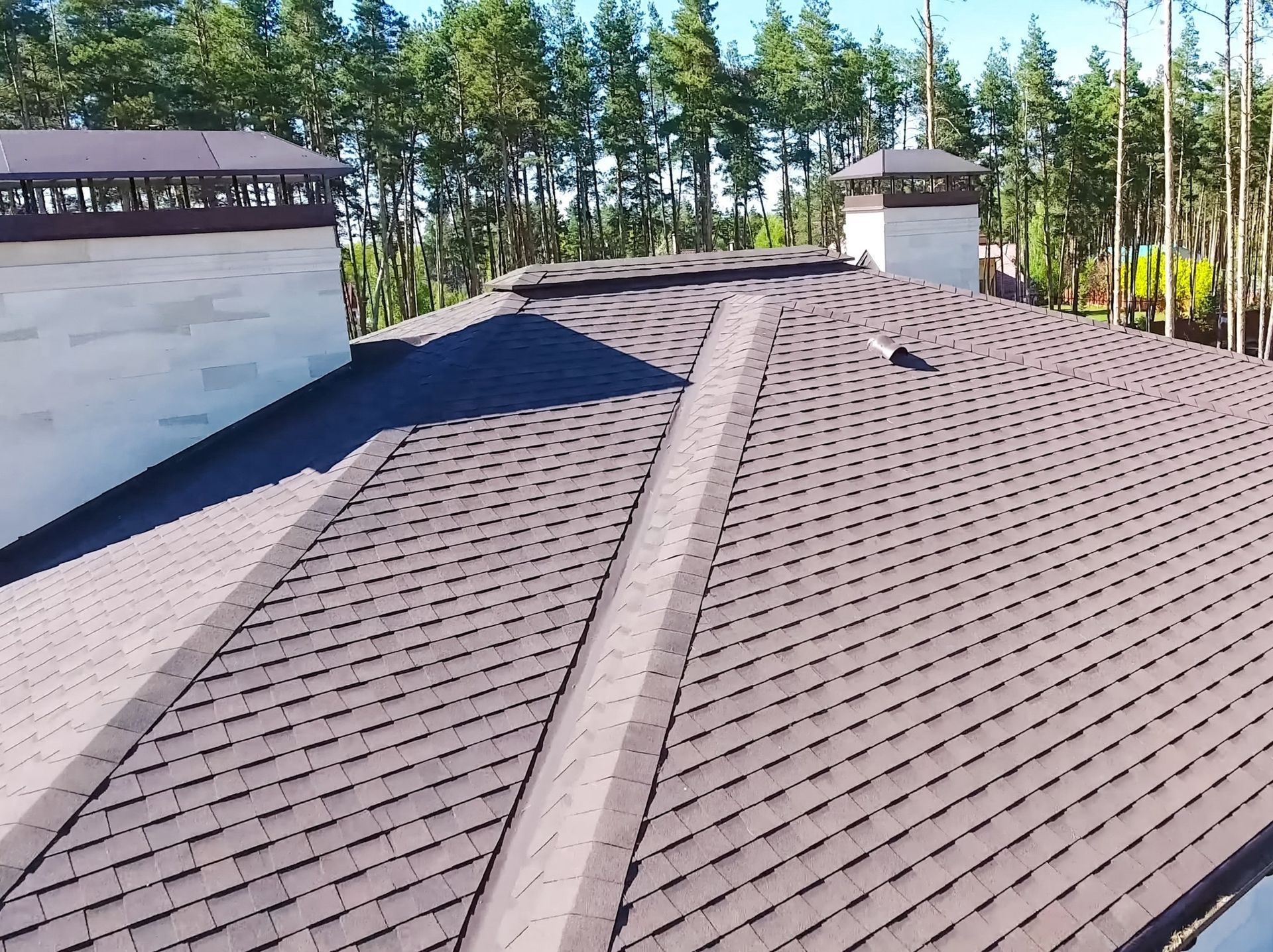
When it comes to protecting your home, choosing the right roofing company makes all the difference. Billy White Roofing proudly provides high-quality asphalt shingle roofing solutions designed to meet the unique needs of homeowners in Ann Arbor, MI. Asphalt shingles remain one of the most popular roofing choices because of their durability, affordability, and attractive appearance. Billy White Roofing offers professional installation, replacement, and repair services using premium materials that enhance curb appeal while delivering long-lasting protection against Michigan’s changing weather conditions. With an experienced team dedicated to craftsmanship and customer satisfaction, Billy White Roofing ensures every project is completed with precision and care. If you’re in Ann Arbor, MI and need dependable asphalt shingle roofing solutions, Billy White Roofing is ready to help safeguard your home for years to come. If you want it done right...call Billy White 734-882-2137
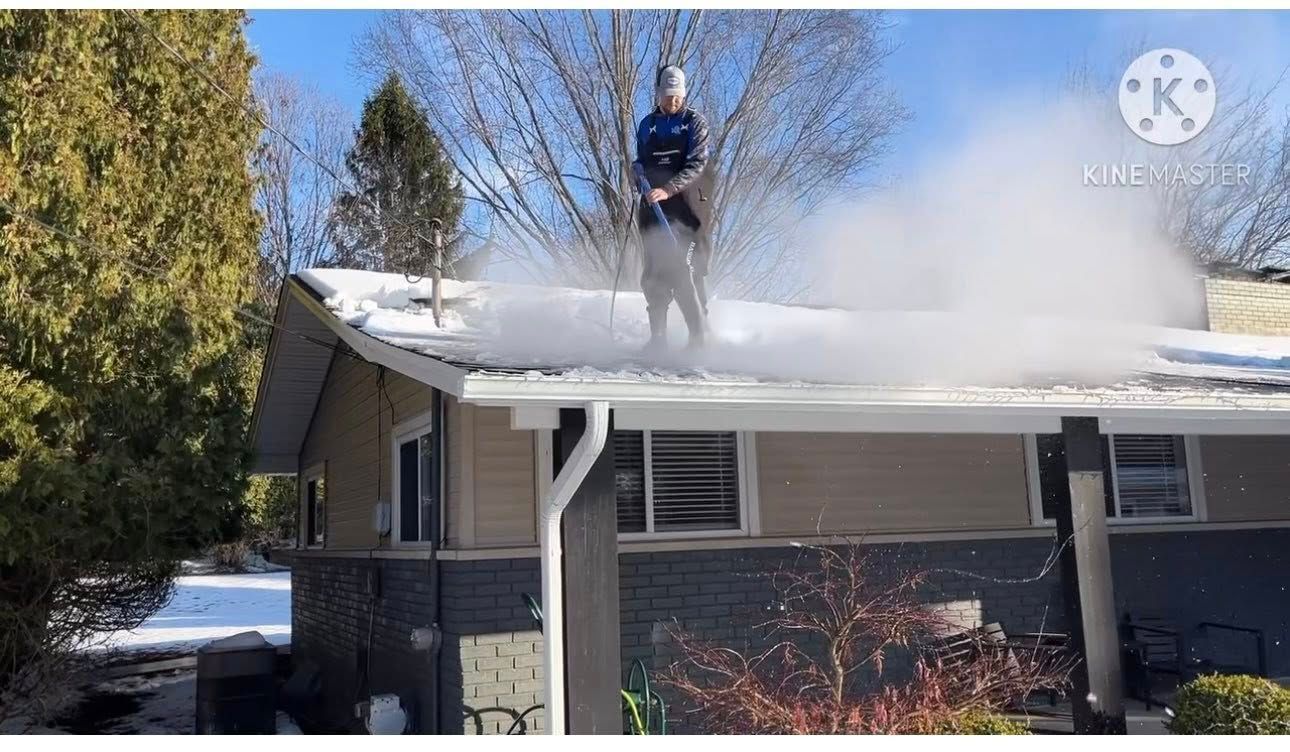
Just Because Winter Is Here Doesn’t Mean We’re Closed Winter in Michigan brings beautiful snow-covered landscapes—but it also brings ice dams , one of the most common and damaging winter roofing problems. At Billy White Roofing , we want homeowners across Ann Arbor, Jackson, and the Torch Lake area to know that we are open all winter long and ready to help protect your home from costly roof damage. What Is an Ice Dam? An ice dam forms when snow on your roof melts and refreezes at the edges. This often happens when heat escapes from your home, warming the upper roof while the eaves remain cold. Over time, ice builds up and traps melting snow behind it, forcing water under shingles and into your home. Why Ice Dams Are a Serious Problem Ice dams aren’t just an inconvenience—they can cause significant damage if left untreated, including: Roof leaks and interior water damage Damaged shingles and underlayment Mold and mildew growth Gutter and fascia damage Reduced roof lifespan The longer an ice dam sits, the more damage it can cause. Professional Ice Dam Removal Matters Trying to remove ice dams yourself with salt, shovels, or sharp tools canactually damage your roof and create safety hazards. Billy White Roofing provides safe, professional ice dam removal using proven methods that protect your shingles and roofing system. Our team knows how to remove ice dams without causing further damage , keeping your home safe and dry through the harshest winter conditions. Serving Ann Arbor, Jackson & Torch Lake All Winter Just because it’s cold outside doesn’t mean roofing services stop. Billy White Roofing proudly serves homeowners in: Ann Arbor, MI Jackson, MI Torch Lake & surrounding Michigan areas Whether you’re dealing with heavy snowfall in Northern Michigan or freeze-thaw cycles in Southeast Michigan, we’re equipped to handle winter roofing challenges. Prevent Roof Damage Before It Starts If you notice large icicles, ice buildup along your roof edge, or water stains on ceilings or walls, don’t wait. Early ice dam removal can prevent thousands of dollars in repairs. Winter is the best time to be proactive , not reactive. Call Billy White Roofing Today At Billy White Roofing , we’re committed to protecting your home year-round. Winter doesn’t slow us down , and ice dams shouldn’t be ignored. 📞 Contact us today for professional ice dam removal and winter roofing support in Ann Arbor, Jackson, Torch Lake & the surrounding areas . Your roof deserves protection—no matter the season.
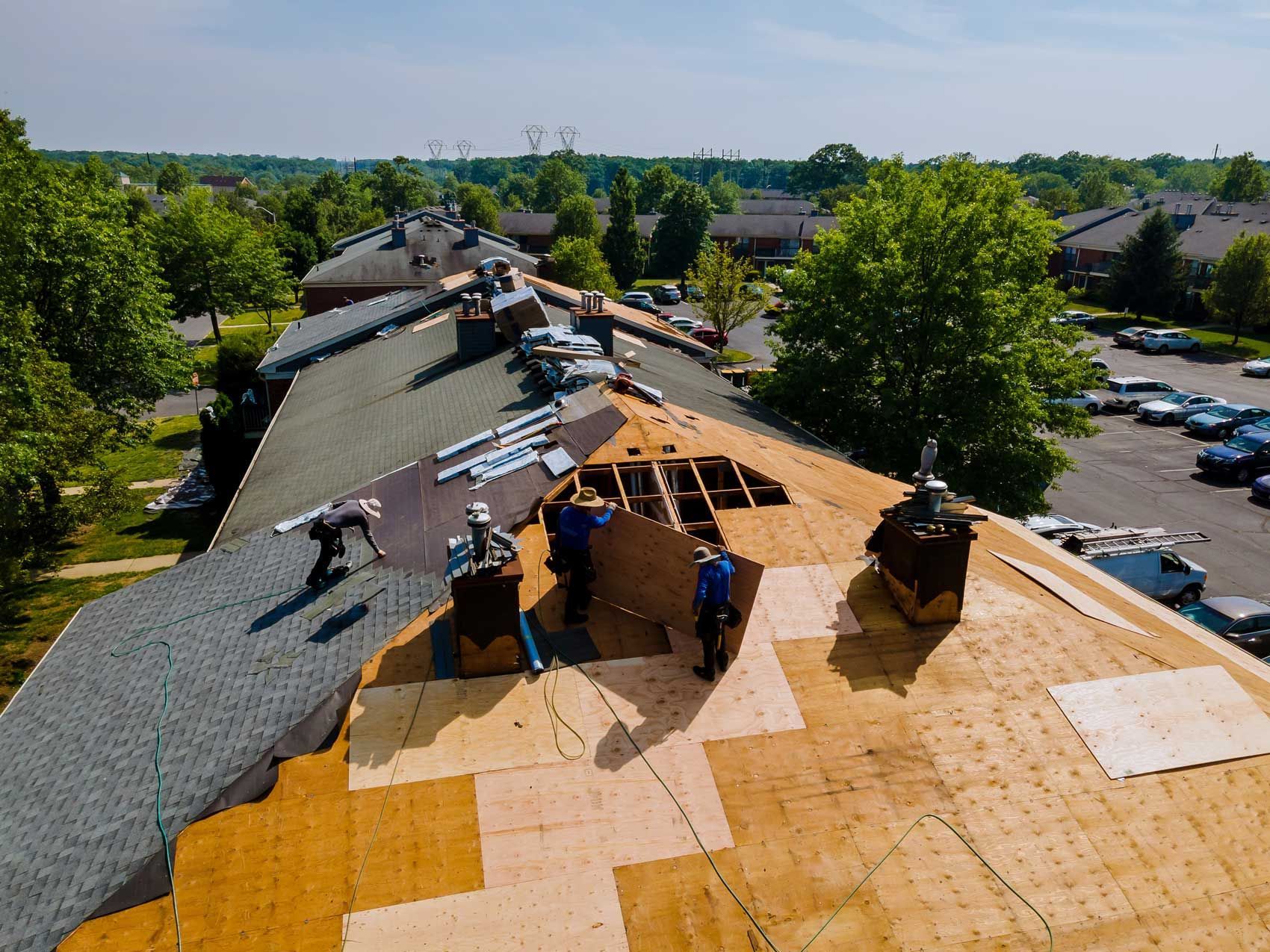
We’re excited to share the completion of a stunning roofing remodel at Pine Hills Lake in Horton, Michigan. This project began with the full removal of the existing shingles on both the home and carport, giving us a clean, solid foundation to work from. To maximize protection and longevity, our team installed RW Grace Select Ice & Water Shield across the entire roof deck. New framing was added where needed, followed by a 1½-inch aluminum drip edge installed around the full perimeter for superior water management. We also upgraded the roof with new pipe flashings to ensure long-term leak prevention. The roof was finished with starter shingles and Owens Corning Duration shingles in the sleek, modern color Peppercorn Grey, instantly elevating the home’s appearance. For proper ventilation, we cut in the peaks to install a Lomanco ridge vent, then completed the system with matching ridge caps for a clean, polished look. If you’re ready to start your own remodeling or roofing project, bring your plans to Billy White Roofing and let our experienced team bring your vision to life. Visit www.billywhiteroofing.com to learn more and get started today.